Understanding C-Corporations in Business Law
Choosing the right business structure is one of the most important legal decisions you’ll make as an entrepreneur. A C-corporation (C-corp) is a popular option for businesses seeking growth, investment opportunities, and strong liability protection. In this guide, we break down everything you need to know about C-corporations, including advantages, disadvantages, tax implications, and whether it’s the right structure for your business.
What Is a C-Corporation?
A C-corporation is a legal entity that is separate from its owners (shareholders). This structure allows the business to enter contracts, own assets, and incur liabilities independently of its owners.
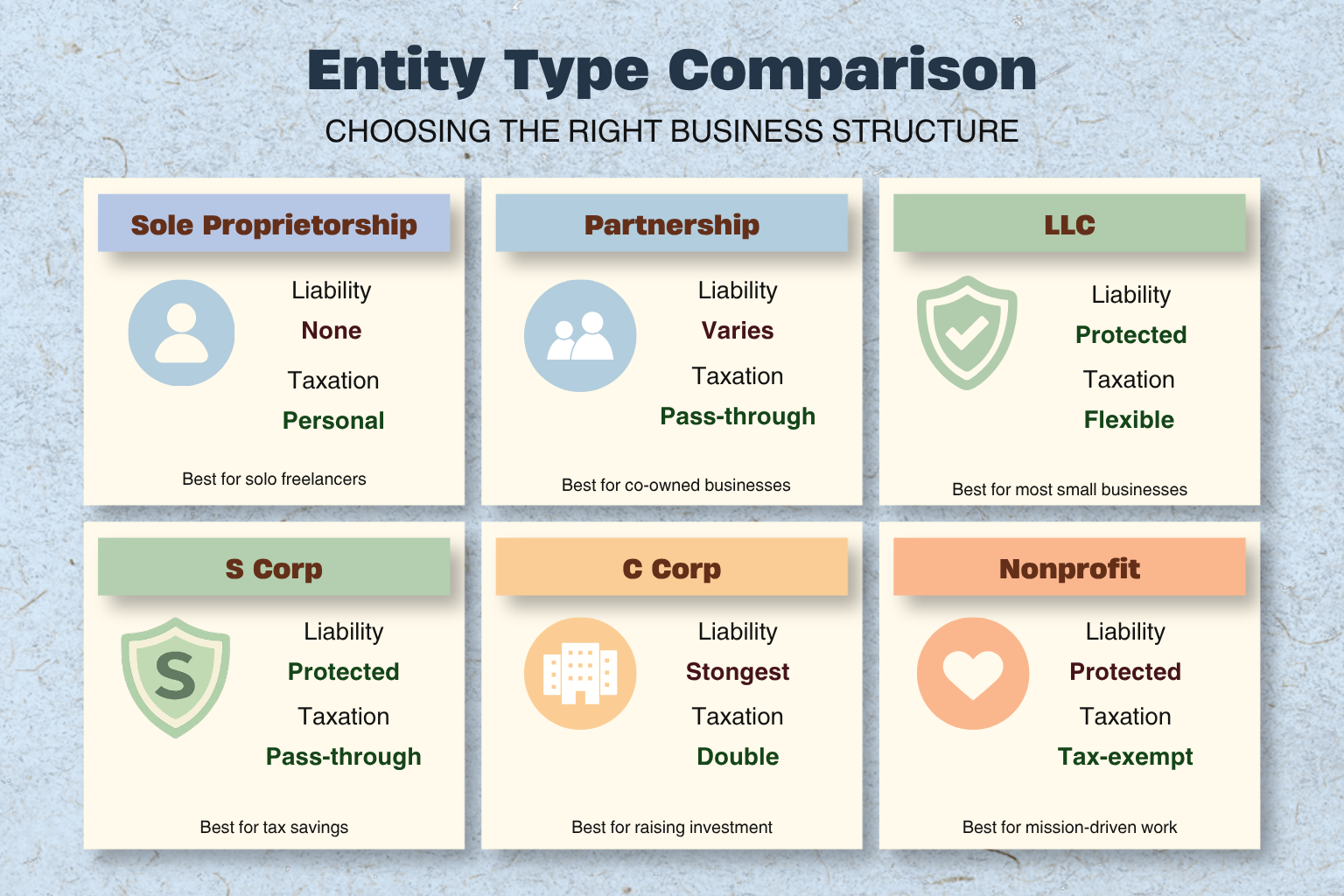
Unlike pass-through entities, a C-corp is taxed separately from its shareholders under federal law. This distinction is a key feature, and often a deciding factor, for many business owners.
Key Benefits of a C-Corporation
Limited Liability Protection
One of the biggest advantages of forming a C-corporation is limited liability protection. Shareholders are generally not personally responsible for the company’s debts or legal obligations.
Easier Access to Capital
C-corporations can issue multiple classes of stock, making them attractive to investors, venture capitalists, and private equity firms.
Unlimited Growth Potential
Unlike other business entities, C-corps can have an unlimited number of shareholders, including foreign investors.
Perpetual Existence
A C-corporation continues to exist even if ownership changes or shareholders leave the company.
Disadvantages of a C-Corporation
Double Taxation
C-corporations are subject to double taxation, meaning:
- The corporation pays taxes on its profits
- Shareholders pay taxes on dividends received
Increased Compliance Requirements
C-corps must comply with strict legal and regulatory requirements, including:
- Annual shareholder meetings
- Detailed recordkeeping
- Filing corporate reports
Higher Administrative Costs
Forming and maintaining a C-corporation typically involves more legal and accounting expenses than other business structures.
How C-Corporations Are Taxed
C-corporations are taxed under Subchapter C of the Internal Revenue Code. As of now, the federal corporate tax rate is a flat percentage applied to corporate profits.
Additionally, shareholders are taxed individually on dividends, which creates the “double taxation” effect. However, strategic tax planning can help minimize this burden.
C-Corporation vs. S-Corporation
Many business owners compare C-corps with S-corps before deciding.
Key differences include:
- Taxation:
- C-corp: taxed separately
- S-corp: pass-through taxation
- Ownership restrictions:
- C-corp: unlimited shareholders
- S-corp: limited to 100 U.S. shareholders
- Stock classes:
- C-corp: multiple classes allowed
- S-corp: one class only
When Should You Choose a C-Corporation?
A C-corporation may be the best choice if:
- You plan to seek venture capital or outside investors
- You want to scale your business significantly
- You intend to go public in the future
- You want to reinvest profits back into the company
Add YouTube C-Corp Video
How to Form a C-Corporation
Forming a C-corporation involves several legal steps:
- Choose a business name
- File Articles of Incorporation with the state
- Appoint a board of directors
- Draft corporate bylaws
- Issue stock to shareholders
- Obtain an EIN from the IRS
- Comply with state and federal regulations
Working with an experienced business attorney ensures your corporation is set up correctly and remains compliant.
Why Work With a Business Law Firm?
Forming and maintaining a C-corporation involves complex legal requirements. A business law firm can help with:
- Entity formation and structuring
- Corporate governance
- Regulatory compliance
- Contract drafting and negotiation
- Litigation and dispute resolution
A Final Note on C-Corporations
A C-corporation offers powerful advantages for businesses aiming for growth, investment, and long-term success, but it also comes with added complexity and tax considerations. Understanding these factors is critical before making your decision.
If you’re considering forming a C-corporation, consulting with a qualified business law attorney can help you avoid costly mistakes and position your business for success.